Our first full day in Speyside fortunately wasn’t exclusively dedicated to the somewhat disappointing Glen Moray visit. That was preceded by a morning walk around the beautiful gardens of Glen Grant (see this post for photos from our first visit two years ago) and followed by a quick stop at Strathisla, where normal service was resumed: we were offered samples of their distillery exclusive 11 year-old and a 10 year-old Bourbon barrel from their single cask edition. The latter was excellent – vibrant and full of fresh tropical fruit, it became my first purchase from Speyside to accompany the two Deanstons from the day before. Strathisla do make excellent whisky, and it’s a pity that more of it is not available, besides those single cask editions.
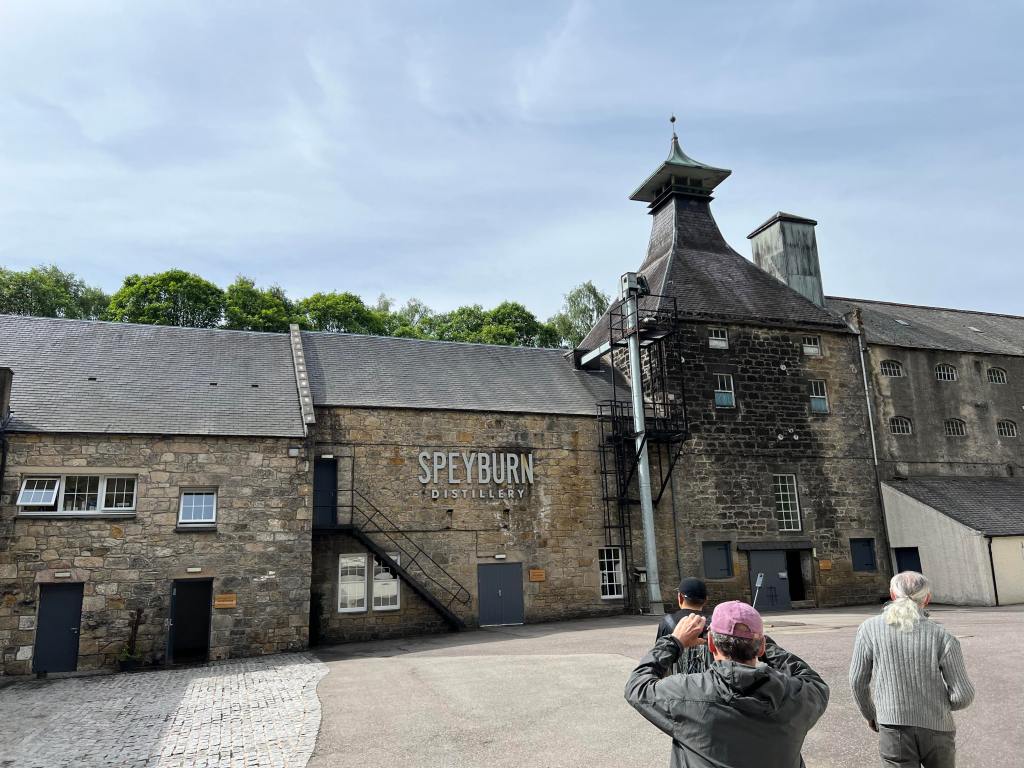
Our second day was equally busy – a morning tour at Speyburn, followed by a quick lunch in Aberlour in order to be on time for a tasting at Glenallachie. I was particularly looking forward to this visit to Speyburn – they have only opened to visitors recently (summer 2023 to be exact) and I was very keen to see how their offering compared to distilleries with more established visitor centres and tours. The tour also came highly recommended by a Swiss visitor to Glen Moray I was chatting to the day before, who had said that Speyburn was one of the highlights of his trip.
The basic tour, called ‘Behind the Scenes’, costs £20 at the time of writing. When I booked I could have sworn it was the only available option, but now I see they also have the so-called Hopkins Experience for £50, which comes with a tasting of rarer whiskies, as well as a manager’s tour for £180. The quoted duration for the entry-level tour is 1 hour and 45 minutes, which is very generous (most distilleries’ basic offerings are about an hour, with a 45ish minute tour followed by a tasting of two or three whiskies from the core range.
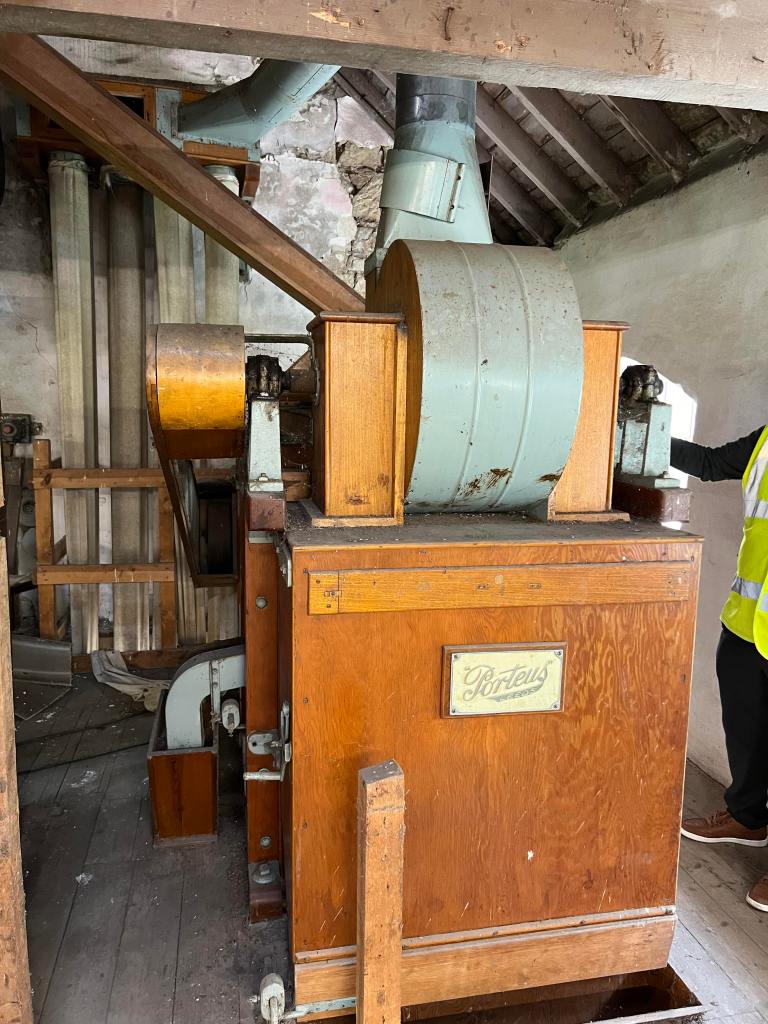
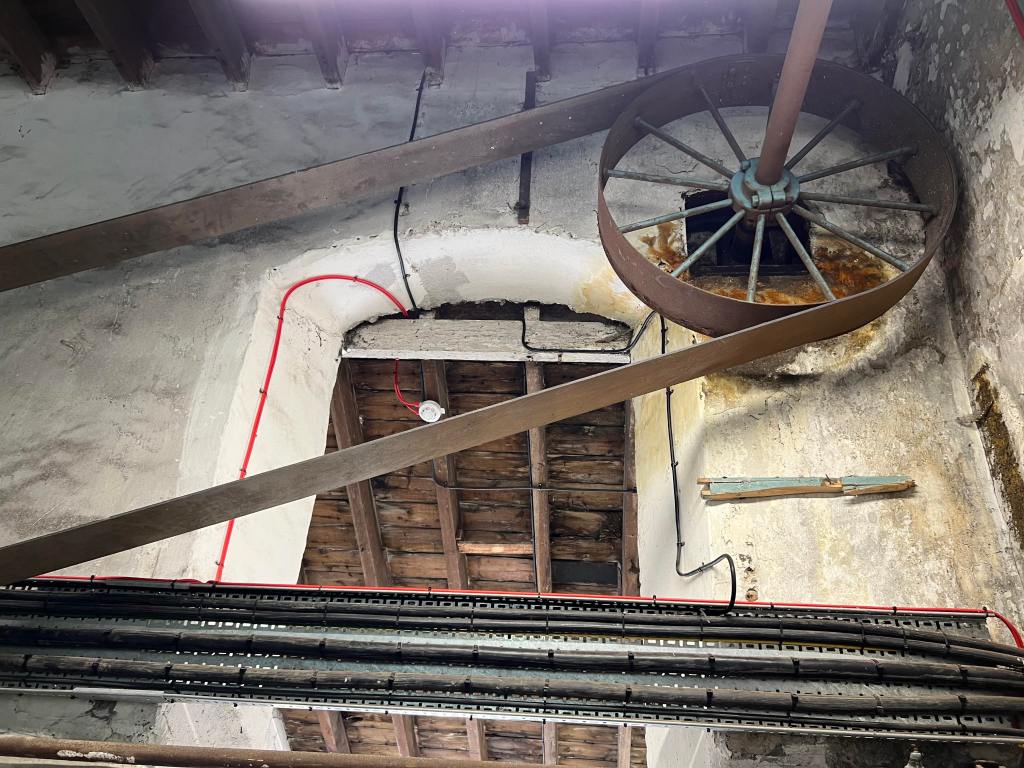
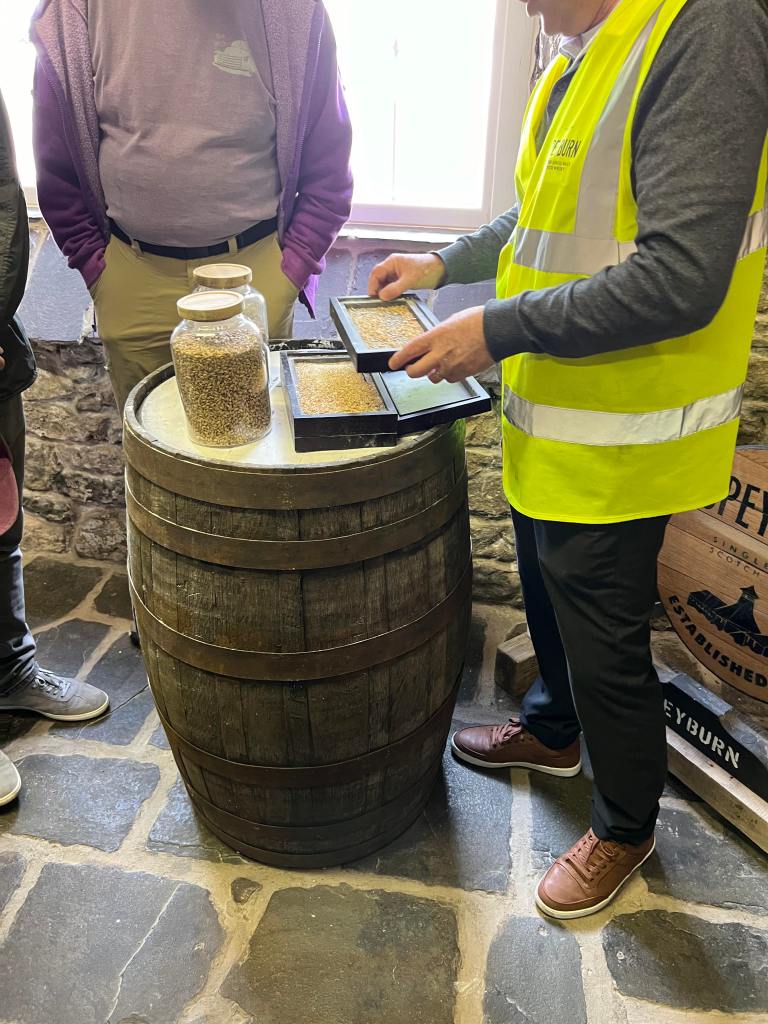
It quickly became apparent that this was no ordinary tour. It began with an extensive look into the original 19th century drum maltings used to process the barley – the only one of its kind in Scotland not to have been scrapped, we were told. When Speyburn modernised their process in the 1960s, Historic Scotland told them the machines had too much historical significance to be scrapped, and so they just kept them as a museum piece. Unlike Glen Moray, the grounds at Speyburn are very expansive so it’s not like they were lacking for space.
Given that Speyburn is not one of the prestige distilleries, a lot of tour slots appear to remain empty, but my uncle and I were joined by a group of seven American tourists. When the guide, Sandy, asked if anyone was an engineer, all seven put their hands up. This led to a very extensive discussion about the ins and outs of the original machinery of the drum maltings – overall we must have spent about an hour there.
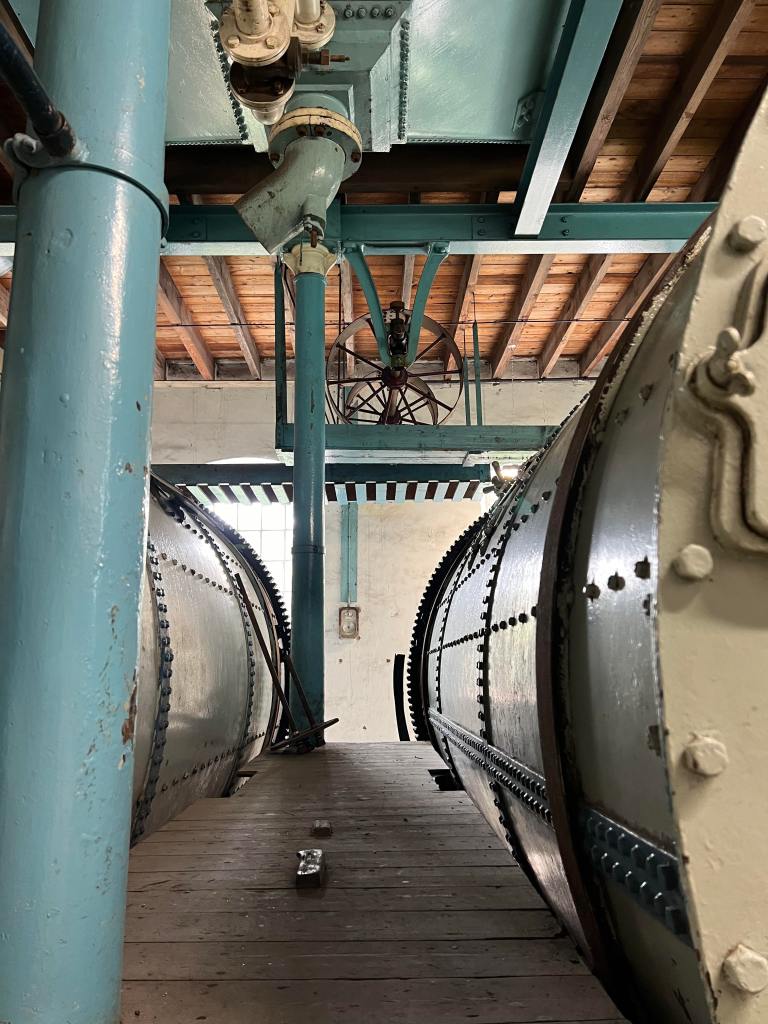
This led to a more rushed walk through the more typical areas of the production, with just about five minutes spent in the still room for example. Again, however, the tour wasn’t without its unique moment: when Sandy was showing us the steel washbacks and discussing the three-day fermentation they have at Speyburn, he gave us a sample of the wash. Needless to say, I had never tried this before at any distillery – I would’ve expected it to taste like somewhat gone-off beer, but the predominant note was one of cider. It wasn’t exactly pleasant to drink, but it was a perfect illustration of how that trademark green apple note we find in Speyburn comes from the fermentation process.


Like Glen Moray, the stills in Speyburn are operated by computers, but again we didn’t want to intrude and take photos of the software, so you’re going to have to make do with a picture of the three stills:

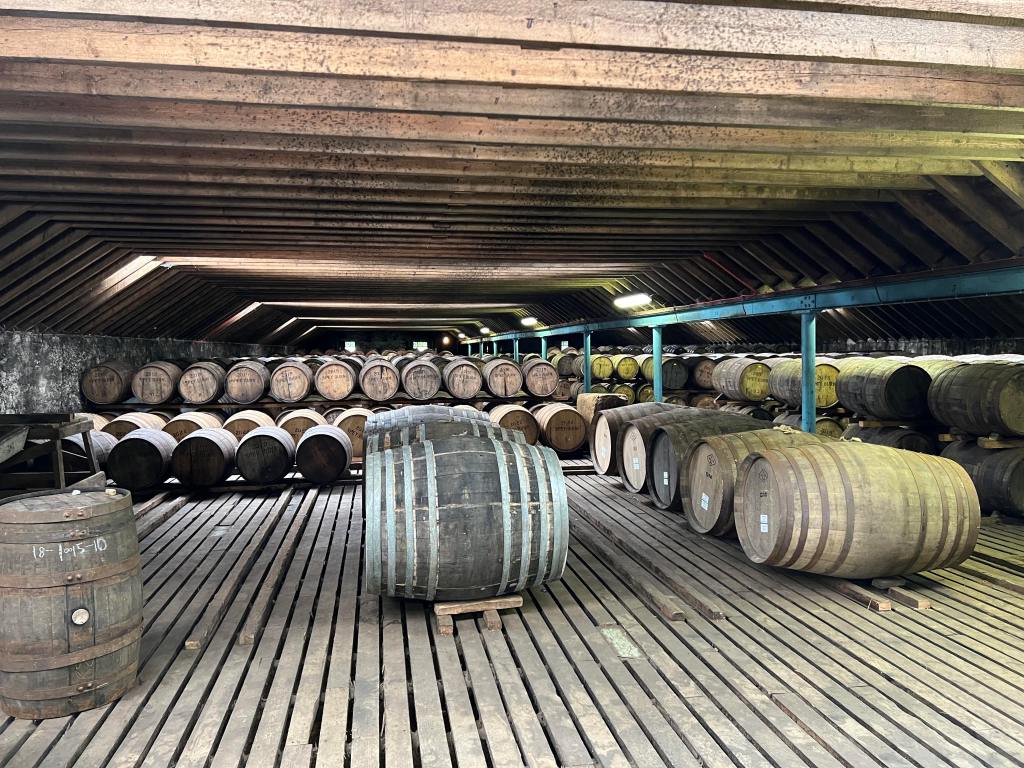
We were then led to the warehouse, where we spent a decent amount of time discussing maturation – again, this was another indication of the great value for money Speyburn offers, since not all distilleries include dunnage warehouse visits with their basic tours.

And what of the tasting? For an entry-level tour, one would normally expect two or three whiskies from the core range, and indeed that’s where it started, with the Bradan Orach and the 10 year-old. The Bradan Orach came across as particularly refreshing (perhaps elevated by the excellent tour and evocative warehouse we had just been in), while the 10 had some added depth, with an abundance of vanilla and green apple notes. It’s a decent entry-level whisky, but look out for the 46% ABV non-chill filtered version that’s available on travel retail. I’m not sure how easy it is to find, however, given that even the otherwise very knowledgeable Sandy hadn’t heard of it when I mentioned my bottle!
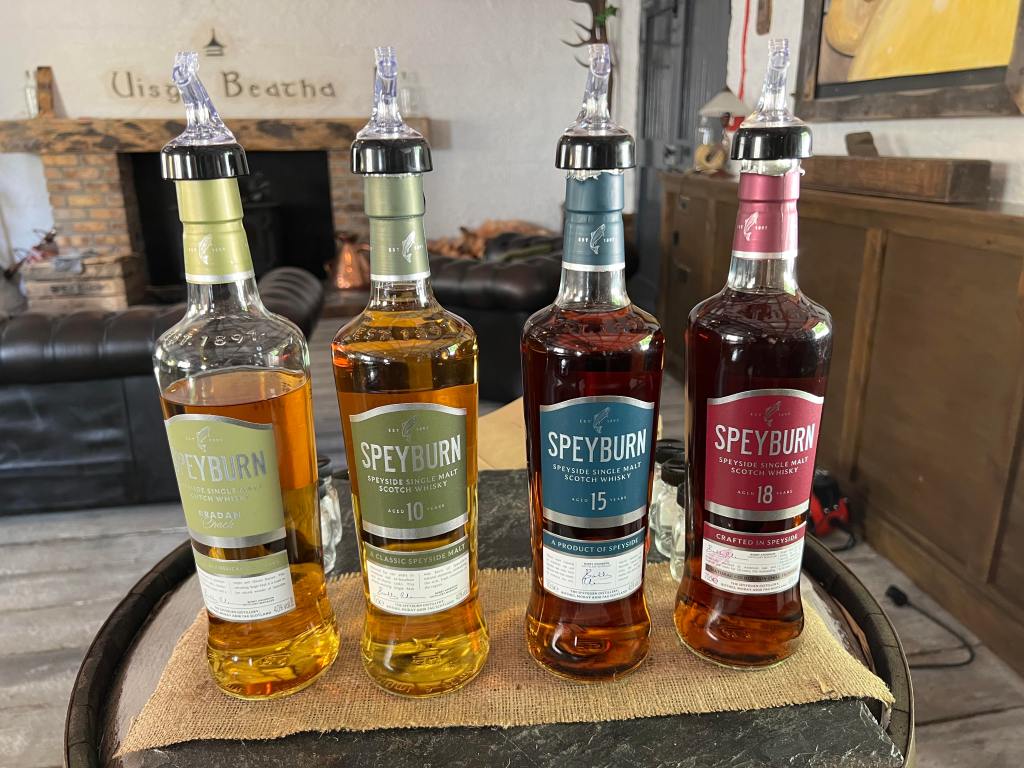

Things got more special from that point on. Following the 10, it was time for the 15 and 18 year-olds – a definite step up in both quality and presentation, with both bottled at 46% and no chill-filtration. The 15 year-old was the more intensely sherried of the two – more dark chocolate to the 18’s milk chocolate notes. Based on that tasting alone it was hard to pick a favourite from the two, though the 15 is of course more affordable. Finally, we rounded things off with a 19 year-old single cask from an Oloroso butt – really special whisky, like the 15 on steroids, but at near £200 it was beyond my budget. Sandy and his colleague at the shop also gave us a dram of the travel exclusive Hopkins Reserve, which was quite good, with a similar profile to the Bradan Orach but with an added layer of smoke.
Overall then, this unassuming distillery had a little gem of a tour, which easily rivals and surpasses other distilleries’ more premium – and expensive – offerings.
 The Daily Dram